Ice Shooting Minneapolis Today Video and Minnesota Shooting
A fatal shooting involving a U.S. Customs and Border Protection (CBP) agent in Minneapolis early Saturday morning has ignited fresh outrage, intensified protests, and deepened the political rift between Minnesota’s state leadership and federal immigration authorities. The incident, which left one armed individual dead at the scene, unfolded amid an already volatile atmosphere in the Twin Cities, where daily demonstrations against federal immigration enforcement have persisted for weeks.
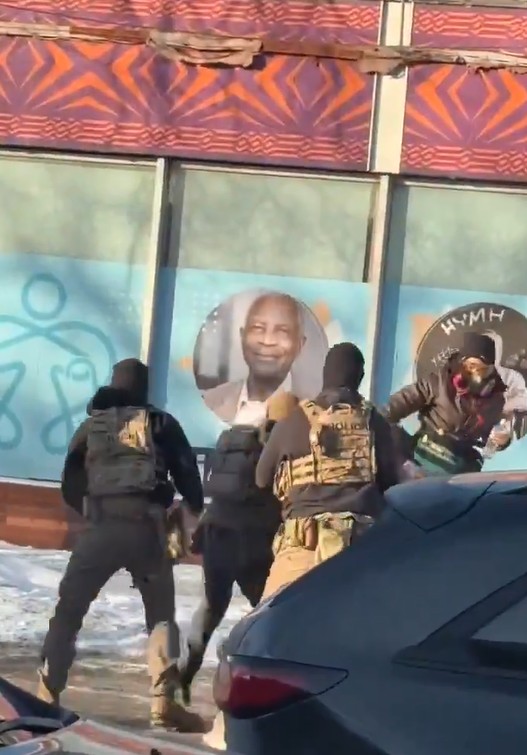
Federal officials say the shooting occurred during a confrontation between U.S. Border Patrol officers and an individual who allegedly approached them while armed with a handgun. While the Department of Homeland Security (DHS) maintains that the agent acted in self-defense, critics and protesters argue the incident reflects a broader pattern of aggressive federal enforcement that has fueled fear, anger, and instability across Minneapolis.
Contents
- 1 What Happened on Saturday Morning and Full Video
- 2 Use of Deadly Force Under Scrutiny
- 3 Eyewitness Accounts and Community Shock
- 4 Official Responses from City and Federal Authorities
- 5 Governor Tim Walz Condemns Federal Operations
- 6 Public Anger Erupts at the Scene
- 7 Law Enforcement Response and Escalation
- 8 Unlawful Assembly Declaration
- 9 Broader Context: Weeks of Ongoing Protests
- 10 Fear and Frustration in Immigrant Communities
- 11 Political and National Implications
What Happened on Saturday Morning and Full Video
According to a statement released by DHS, the shooting took place Saturday morning near the intersection of 26th Street West and Nicollet Avenue, an area lined with small businesses and residential buildings. Federal officials allege that an individual approached Border Patrol officers while carrying a 9 mm semi-automatic handgun.
Ice Shooting Minneapolis Today Video
DHS said officers attempted to disarm the suspect, but the individual “violently resisted.” During the struggle, one agent reportedly feared for his life and the safety of fellow officers, prompting him to fire what officials described as “defensive shots.” The individual was pronounced dead at the scene.
Authorities did not immediately release the identity of the person who was killed, nor did they provide additional details about why Border Patrol officers were operating in that specific area at the time.
Use of Deadly Force Under Scrutiny
The use of deadly force by federal agents has quickly become the central focus of public debate. DHS defended the agent’s actions, stating that the decision to fire was made in a split-second situation involving a firearm and an uncooperative suspect.
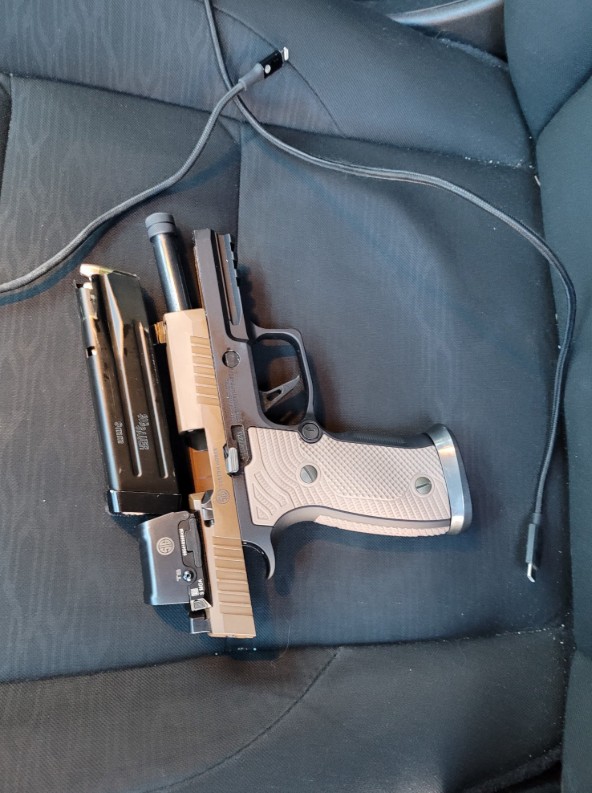
Along with its statement, DHS released a photograph of the handgun it claims the individual was carrying, an effort critics say was intended to justify the shooting before an independent investigation could fully examine the circumstances.
Civil rights advocates and community leaders have called for transparency, questioning whether de-escalation tactics were exhausted and whether federal agents should have been conducting enforcement operations in densely populated neighborhoods amid heightened tensions.
Eyewitness Accounts and Community Shock
A worker at a nearby business confirmed to ABC News that they witnessed the shooting and described the immediate aftermath as chaotic and distressing. The witness said employees and customers were left shaken and uncertain as emergency vehicles arrived and the area was cordoned off.
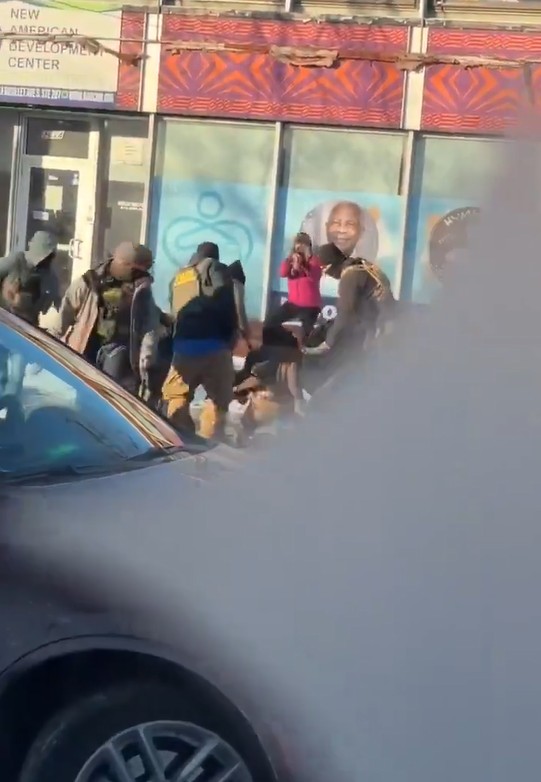
“I’m currently dealing with the fallout,” the worker said, noting that the incident disrupted business operations and left many people fearful about their safety.
Residents in the surrounding area echoed similar concerns, saying the presence of armed federal agents and the sudden eruption of violence has made daily life feel unpredictable.
Official Responses from City and Federal Authorities
The city of Minneapolis acknowledged the incident in a post on X, stating that officials were looking into reports of a shooting involving federal officers near the intersection where the confrontation occurred. However, city leaders emphasized that federal agents operate independently of local law enforcement, limiting the city’s authority over such operations.
Federal officials have not indicated whether the agent involved has been placed on administrative leave or whether an internal investigation has begun, further fueling public skepticism.
Governor Tim Walz Condemns Federal Operations
Minnesota Governor Tim Walz issued a blistering response to the shooting, saying he had spoken directly with the President about the situation. Walz framed the incident as part of a broader crisis driven by aggressive federal immigration enforcement in Minnesota.
“Minnesota has had it. This is sickening,” Walz said. “The President must end this operation. Pull the thousands of violent, untrained officers out of Minnesota. Now.”
His remarks reflect growing frustration among state leaders who argue that federal enforcement tactics are destabilizing communities and undermining trust in law enforcement.
Public Anger Erupts at the Scene
Following the shooting, bystanders gathered near the site and confronted federal officers, shouting profanities and calling them “cowards.” Witnesses described a tense standoff as protesters demanded that federal agents leave the area.
Videos circulating online show emotionally charged scenes, with residents accusing officers of provoking violence and treating the community with contempt. The anger was raw and personal, fueled by weeks of unrest and a growing sense that federal authorities are operating without accountability.
Law Enforcement Response and Escalation
As the crowd grew, federal agents were seen deploying tear gas to disperse protesters near the shooting location. In one widely criticized moment, an officer responded mockingly to demonstrators as he walked away, saying, “Boo hoo.”
Elsewhere, agents were observed shoving a yelling protester into a car, further inflaming tensions and drawing sharp criticism from civil liberties groups. These interactions, captured on video and shared widely online, have become flashpoints in the broader debate over federal conduct.
Unlawful Assembly Declaration
Minnesota State Patrol later issued a warning to the crowd, declaring the protest an “unlawful assembly” and ordering demonstrators to disperse. Despite the warning, authorities reported no immediate arrests, suggesting a cautious approach amid fears of further escalation.
Still, the declaration underscored the fragile balance between public protest and public safety in a city already strained by repeated confrontations.
Broader Context: Weeks of Ongoing Protests
The shooting comes against the backdrop of widespread daily protests in the Twin Cities following the Jan. 7 killing of 37-year-old Renee Good. Good was fatally shot when an Immigration and Customs Enforcement (ICE) officer fired into her vehicle, an incident that galvanized opposition to federal immigration agencies.
Since then, Minneapolis has seen sustained demonstrations, marches, and acts of civil disobedience, with protesters demanding an end to what they describe as militarized immigration enforcement.
Just one day before Saturday’s shooting, thousands of demonstrators braved frigid weather to flood the city’s streets, calling for federal law enforcement to leave Minnesota entirely.
Fear and Frustration in Immigrant Communities
Immigrant advocates say the continued presence of federal agents has created an atmosphere of fear, particularly in neighborhoods with large immigrant populations. Families report avoiding public spaces, while small businesses worry about declining foot traffic due to heightened anxiety.
Activists argue that the latest shooting reinforces their belief that federal operations are not only harmful but dangerous, increasing the likelihood of violent encounters.
Political and National Implications
The Minneapolis shooting highlights a growing national divide over immigration enforcement and federal authority. As state leaders like Governor Walz openly challenge federal operations, the situation raises questions about jurisdiction, accountability, and the future of immigration policy enforcement in urban areas.
Minneapolis has now become a flashpoint in a broader national debate, one that blends immigration, policing, civil rights, and public trust.
As investigations continue and protests show no signs of slowing, the fatal shooting by a Border Patrol agent in Minneapolis stands as a stark symbol of a city on edge. While federal officials insist the agent acted in self-defense, many residents see the incident as the inevitable result of an aggressive enforcement strategy imposed on a community already in pain.
With political pressure mounting and public anger growing, the path forward remains uncertain. What is clear, however, is that Minneapolis is no longer just reacting to isolated incidents it is confronting a deeper crisis over power, accountability, and the human cost of federal enforcement.
Daily Hot News -Cooper Riley Camferdam Fight Full Video and The Arrested at Circle K
Swiss Bar Fire Video and The Crans-Montana Video Shows Devastating Switzerland Fire
Anthony Joshua Car Crash Accident Video on X/Twitter
Vince Zampella Crash Video and Call of Duty Creator Killed in Fatal Ferrari Crash
Fake UPS Driver Video and Fake UPS Delivery
Avengers Doomsday Trailer Video Leak and The Know
Kyle Rittenhouse Video and the Kenosha Shootings