Kyle Rittenhouse Video and the Kenosha Shootings
On the night of August 25, 2020, Kenosha, Wisconsin, was gripped by chaos. Protests had erupted following the police shooting of Jacob Blake, and what began as demonstrations quickly escalated into widespread unrest, including arson, vandalism, and violent confrontations. Amid the turmoil, a 17-year-old from Illinois named Kyle Rittenhouse became the central figure in one of the most polarizing criminal cases in modern American history.
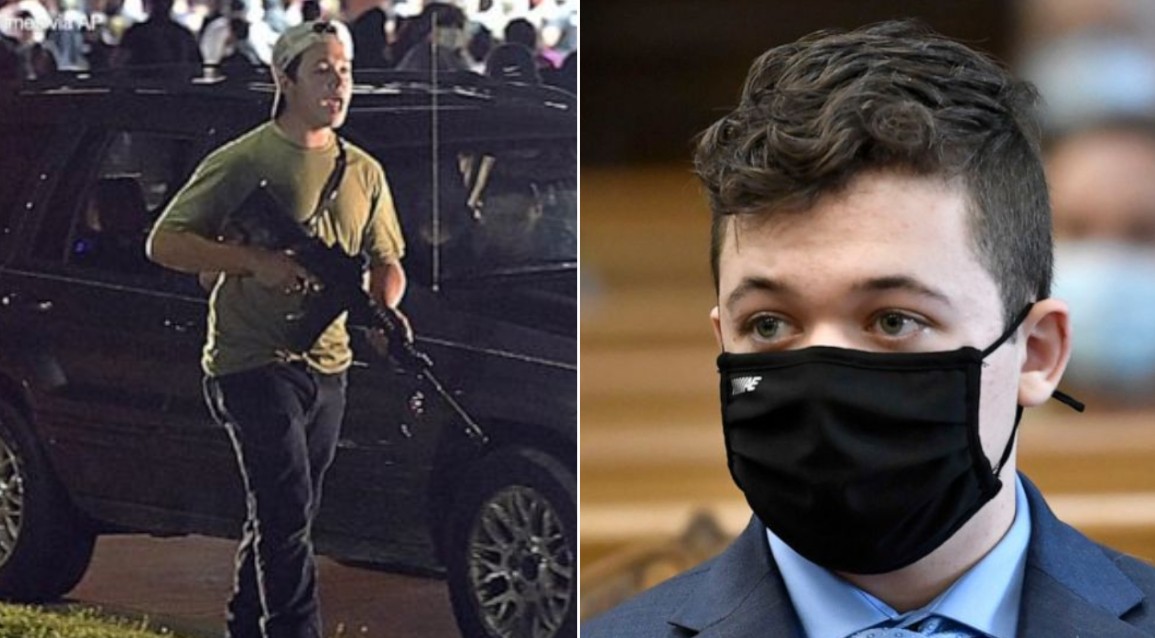
Rittenhouse traveled from his home in Antioch, Illinois, to Kenosha, where he joined a group of armed civilians who claimed they were there to protect local businesses from further destruction. Armed with an AR-15-style rifle, Rittenhouse would go on to shoot three men during the unrest two fatally and one non-fatally. The legal proceedings that followed, and his eventual acquittal, ignited fierce national debate over self-defense laws, gun rights, vigilantism, and the limits of civilian involvement during civil unrest.
Contents
- 1 A City on Edge and Video
- 2 Kyle Rittenhouse’s Presence in Kenosha
- 3 The First Shooting: Joseph Rosenbaum
- 4 The Second Shooting: Anthony Huber
- 5 The Third Shooting: Gaige Grosskreutz
- 6 Aftermath and Police Response
- 7 Criminal Charges and Legal Stakes
- 8 The Trial and Key Legal Arguments
- 9 Verdict and Public Reaction
- 10 Broader Implications
A City on Edge and Video
In the days leading up to August 25, Kenosha had experienced escalating violence. Nightly protests had turned destructive, overwhelming law enforcement resources. Fires burned across commercial districts, and many business owners felt abandoned. Into this vacuum stepped armed civilians, some of whom openly patrolled streets claiming to deter looting and protect property.
Uncensored video and images from the crime scene caused by Kyle Rittenhouse
This volatile environment marked by fear, anger, and confusion created the conditions for deadly encounters. Law enforcement struggled to maintain order, while crowds moved unpredictably through poorly lit streets. It was in this context that Kyle Rittenhouse entered the scene.
Kyle Rittenhouse’s Presence in Kenosha
Rittenhouse later said he traveled to Kenosha to help protect businesses and provide medical aid. He carried a rifle that had been obtained for him through a friend in Wisconsin. Though he was under 18, he openly carried the weapon throughout the night, something that would later become a central legal issue during the trial.

The sight of a teenager armed with a military-style rifle immediately became controversial. Supporters argued he was exercising his right to self-defense during a lawless night, while critics viewed his presence as reckless and provocative. Regardless of intent, his decision to enter a riot zone while armed would have irreversible consequences.
The First Shooting: Joseph Rosenbaum
The first and deadliest confrontation involved Joseph Rosenbaum, a 36-year-old man who was unarmed. Video footage and testimony showed Rosenbaum aggressively pursuing Rittenhouse through a parking lot. At one point, Rosenbaum threw an object toward him. Moments later, Rosenbaum reached for the barrel of Rittenhouse’s rifle.

Rittenhouse fired multiple shots at close range, killing Rosenbaum. The encounter lasted only seconds but became the foundation of the prosecution’s case. Prosecutors argued Rittenhouse had provoked the encounter, while the defense maintained that Rosenbaum posed an immediate threat and that Rittenhouse had no reasonable alternative to using lethal force.
The Second Shooting: Anthony Huber
After the first shooting, Rittenhouse fled the scene as bystanders began shouting that he had shot someone. He was chased through the streets, eventually stumbling and falling to the ground. In that moment, Anthony Huber, a 26-year-old protester, struck Rittenhouse with a skateboard and attempted to seize the rifle.
Rittenhouse fired once, killing Huber. Defense attorneys argued this was a clear case of self-defense, stating that being struck with a skateboard and having one’s weapon taken could reasonably lead to fear of death or serious bodily harm. Prosecutors countered that Huber was attempting to disarm an active shooter to protect others.
The Third Shooting: Gaige Grosskreutz
The final shooting involved Gaige Grosskreutz, a 26-year-old volunteer medic who had been carrying a handgun. Video evidence showed Grosskreutz approaching Rittenhouse while holding his weapon. When Grosskreutz pointed the gun toward him, Rittenhouse fired, striking Grosskreutz in the arm.
Grosskreutz survived and later testified at trial. His admission under cross-examination that his gun was pointed at Rittenhouse at the moment he was shot became one of the most pivotal moments of the case, significantly strengthening the defense’s self-defense argument.
Aftermath and Police Response
Following the shootings, Rittenhouse walked toward police vehicles with his hands raised. Despite this, officers did not arrest him at the scene, apparently unaware of his involvement or prioritizing crowd control. Rittenhouse returned to Illinois and later turned himself in to authorities.
The delayed arrest fueled public outrage and further intensified scrutiny of law enforcement’s response that night. Critics argued that race and political perceptions played a role, while police maintained they were operating under extreme confusion.
Criminal Charges and Legal Stakes
Prosecutors charged Rittenhouse with multiple serious offenses, including first-degree intentional homicide, reckless homicide, attempted homicide, reckless endangerment, and possession of a dangerous weapon by a minor. The charges carried the possibility of life imprisonment.
Rittenhouse pleaded not guilty, asserting self-defense. Under Wisconsin law, a defendant may claim perfect self-defense if they reasonably believed they faced imminent death or serious harm and used only the force necessary to stop the threat.
The Trial and Key Legal Arguments
The trial, held in November 2021, was televised and followed closely nationwide. Prosecutors argued that Rittenhouse had no legitimate reason to be in Kenosha and that his actions escalated violence. The defense emphasized video evidence, arguing that each shooting occurred while Rittenhouse was being attacked or threatened.
The judge dismissed two charges during the trial: the curfew violation and the charge related to illegal possession of the rifle, ruling that the firearm statute did not apply as prosecutors claimed.
Verdict and Public Reaction
After days of deliberation, the jury found Kyle Rittenhouse not guilty on all remaining charges. The verdict confirmed that, under the law, his actions met the standard for self-defense.
Public reaction was sharply divided. Supporters hailed the verdict as a victory for due process and self-defense rights, while critics argued it legitimized armed vigilantism and set a dangerous precedent.
Broader Implications
The Rittenhouse case exposed deep divisions in American society. It raised unresolved questions about gun laws, the role of civilians during protests, and how the justice system interprets self-defense in chaotic environments. While the legal case has concluded, its cultural and political impact continues.
The events in Kenosha on August 25, 2020, and the trial that followed, remain a defining moment in contemporary American history. The Kyle Rittenhouse case was not just about one night of violence, but about the collision of protest, fear, firearms, and law. Whether viewed as a lawful act of self-defense or a tragic failure of judgment, the case continues to shape national conversations about justice, accountability, and public safety.
Daily Hot News -Luka Magnotta Video and The Jun Lin Murder Case
Tom Garratt Video and The Story Behind the Internet
Nainai Jumping Video and The Tragic Case of Nainai
Masjid Bandar Lampung Full Video and No Blur Footage
Maddie Kowalski Video and The UF Florida Student in Eiffel Tower
Ghost Rider Cartel Video and the Ongoing Debate Over
Zaida Catalan Video and Congo Raises International Outrage